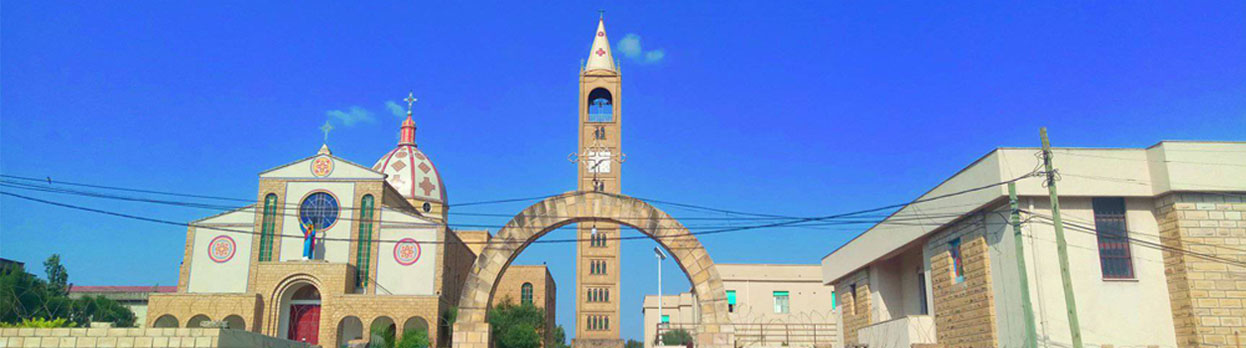
Adigrat Diocese Catholic Secretariat Pastoral Ministry office strategic Goals
Issue #1: Evangelization: Catechesis, Holistic Faith Formation
The new Catechism of the Catholic Church (2002) states that “catechesis is intimately bound up with the whole of the Church’s life" and that "her inner growth and relation to God’s plan the Church depends essentially on catechesis” and encourages that, catechesis, which “illumines and strengthens the faith, develops a life in harmony with the Spirit of Christ, stimulates a conscious and fervent participation in the liturgical mystery and encourages the faithful to take an active part in the apostolate … a valuable contribution to the development of Christian courage” (GE, n. 4), should be given in an orderly manner to children, youth and adults according to the ancient custom of the instruction of the Word, the law and the ways of the Lord (Acts 8:25, Rom 2:18; Gal 6:6), of Christ himself and the sacraments (Heb. 6:1-2) (cf. Preface, n. 7).
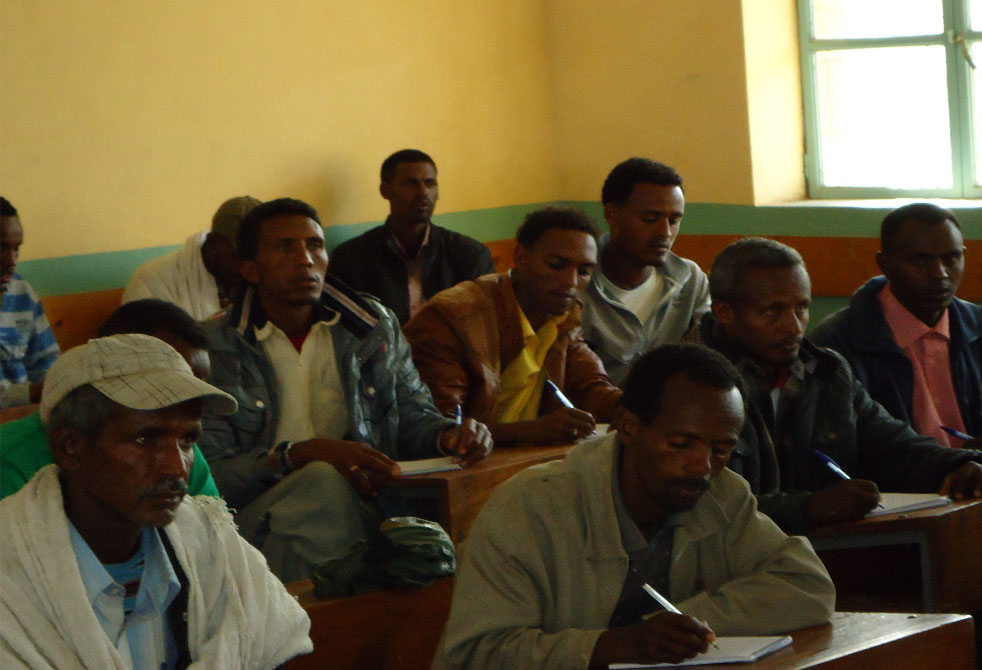 Catechists on training
Issue # 2: Worship/Liturgy and the Sacraments
The seven sacraments (Baptism, Confirmation, the Eucharist, Penance and Reconciliation, Marriage, Holy Orders, and the Anointing of the Sick) are fundamental elements of how we as Catholics live out our universal call to holiness. They are more than just liturgical rituals that the church asks us to celebrate; they are essential opportunities for us as individuals and as a community to encounter the living Christ in a profound and mysterious way. In our increasingly secularized world, many Catholics have fallen away from deep and committed celebration of the sacraments. Lacking an understanding of the fundamental messages of the sacraments, many have also lost the connection to our calling to live out the spirit of the sacraments in our daily lives – to live sacramentally.
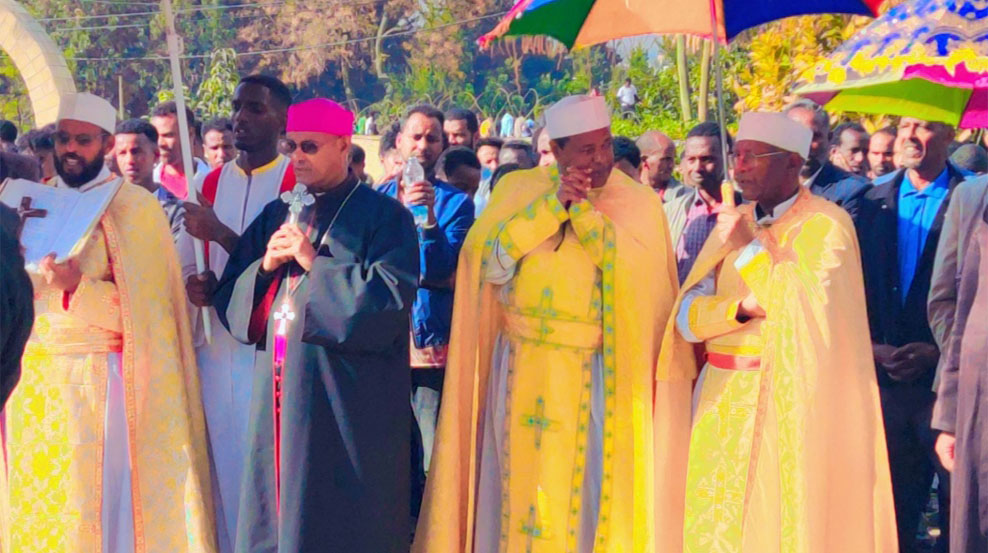 Liturgy at celebration event
Issue #3: Laity, family and life enhancement
The Church is not truly established unless there is a genuine laity existing and working alongside the hierarchy (AG, n. 21). “Lay people are to become more aware of their role in the Church and fulfill their special mission as baptized and confirmed persons" ("The Synod of Africa Comes Home," p. 17; "The Church in Africa," n. 90). For “The Church we want to be is a community built in the model of the Family of Good, in which with the spiritual leadership of the hierarchy and the ordinary ordained ministry there is a committed, well-formed and responsible laity, Catholic men and women with a deep knowledge of the Word of God, exercising their mission through different ministries and services for the common good of all" (“The Church We Want to Be,” n. 56).
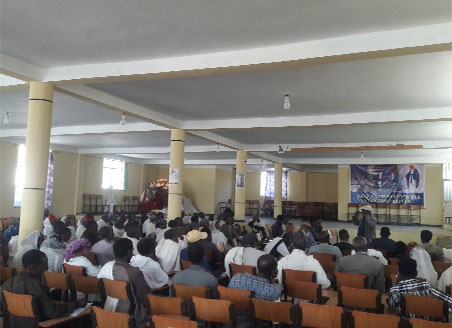 Laity ministry training
Issue #4: Youth and Children Formation
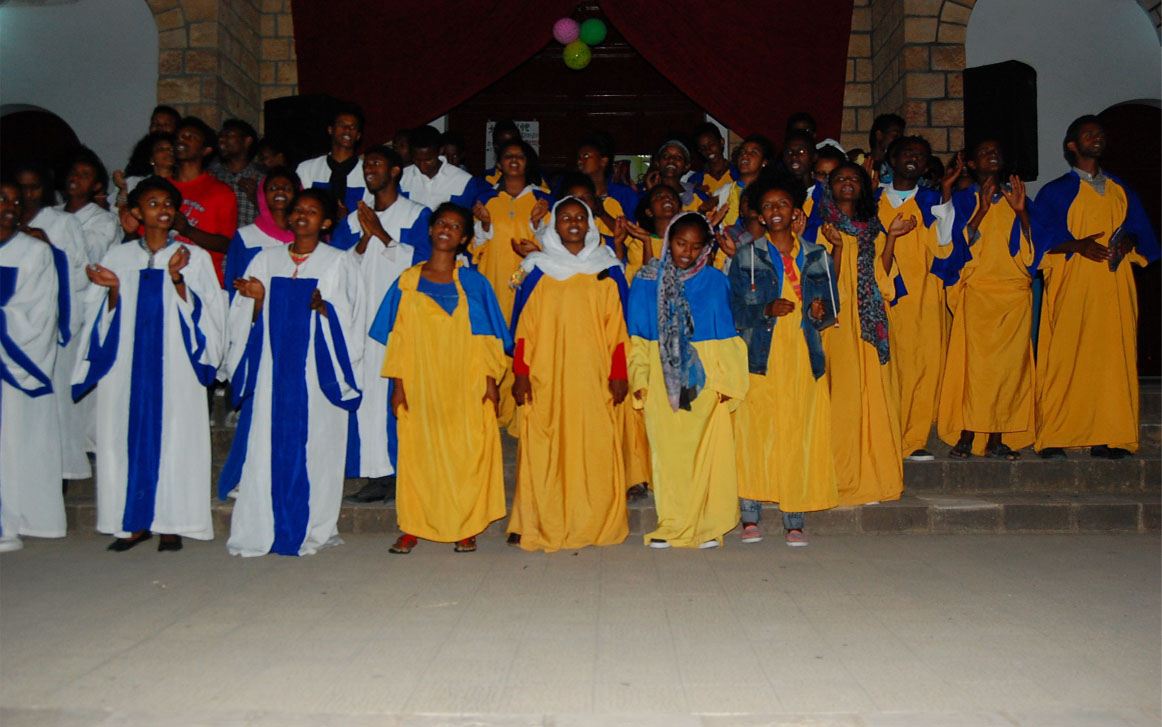
Youth and children ministry is an action and commitment of the whole community in responding to the needs of youth and children. This commitment and action consist of orienting, helping, caring, educating and challenging the youth and children so that they have space in the life of our Christian communities and they become committed citizens to their country. The youth and children should feel loved, helped, accompanied and participating in all their respective Christian communities.
Youth and children are both the subjects and objects of evangelization and for this reason it is necessary that the care for youth be especially developed within overall pastoral plan of the Church at national, diocese and parish levels. “The Church we want to be is a Church open to the new generations, welcoming and educating the youth, man and women, in the spirit of the gospel values so as to respond to their needs and legitimate aspirations” ("The Church We Want to Be," n. 57)
Issue #5: Priestly and Religious formation
The Bishops of the African Synod remind us of the importance of continuous formation for both priests and the faithful when they say: “In all areas of Church life, formation is of primary importance … The whole community needs to be trained, motivated and empowered for evangelization, each according to his or her specific role within the Church. This includes bishops, priests, members of institutes of consecrated life and societies of apostolic life, members of secular institutes and all the lay faithful” ("The African Synod Comes Home," pp. 18-19; "The Church in Africa," n. 75).
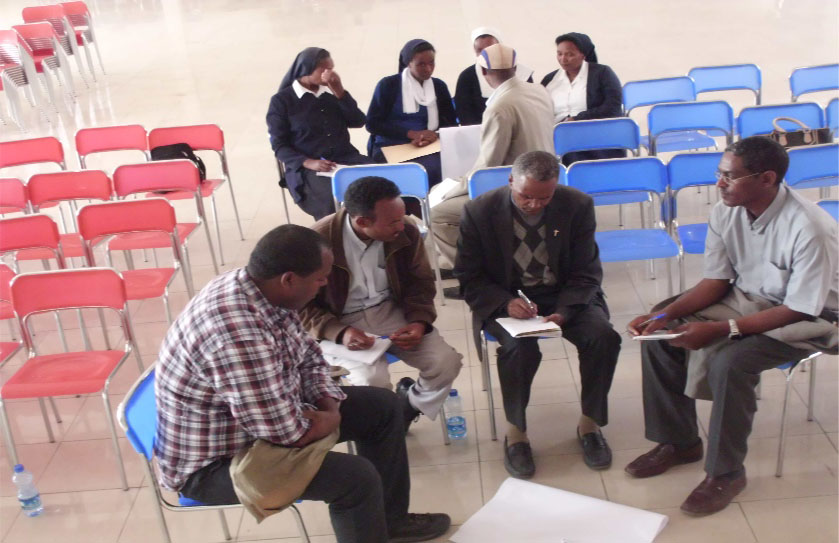
Priests’ ongoing formation
Issue #6: Promote Integral Human Development
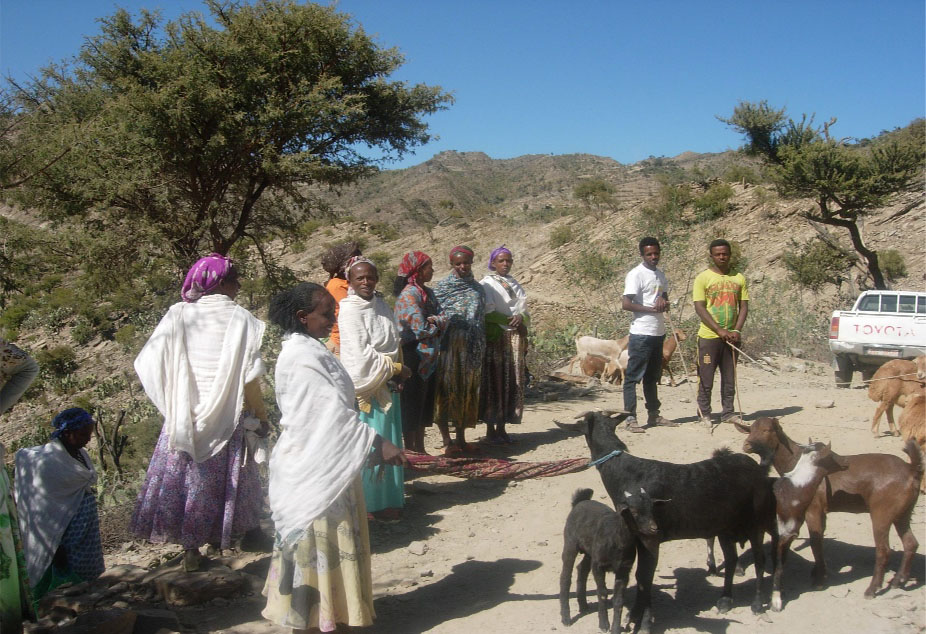
In the 1967 encyclical Populorum Progressio(Progress of Peoples or On the Development of Peoples), Blessed Paul VI introduced the concept of integral development. “Development cannot be limited to mere economic growth. In order to be authentic, it must be complete: integral that is it has to promote the good of every man and of whole man”.
Issue #7: Justice and Peace
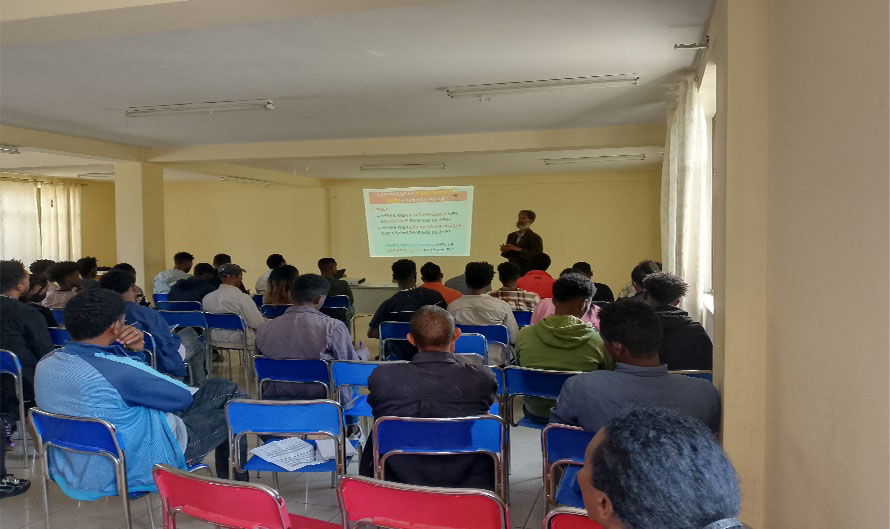
The Bishops of the African Synod affirm: “The promotion of justice and peace should be a part of the pastoral program of each Christian community" ("The African Synod Comes Home," p. 35; “The Church in Africa," n. 107; see also n. 44). Evangelization that does not include the issues of human rights, justice and peace is deficient, as the Fathers of the Synod again state: “It is impossible to accept that in evangelization one could or should ignore the importance of the problems so much discussed today, concerning justice, liberation, development and peace in the world" ("The African Synod Comes Home," p. 36; "The Church in Africa," n. 68). That is why Ethiopian Catholic Bishops in their pastoral letter affirm: “The Church we want to be is a Church looking for justice, peace and reconciliation despite the blood still fresh of past wars, a Church defending the dignity and rights of all human beings as created in the image of God, and a Church rejecting all discrimination on the basis of race, gender or social class" ("The Church We Want to Be," no. 53).
Issue #8: Ecumenism and inter-religious dialogue
The division inside the one and only one Church of God, which had been there since the ancient times, is not the responsibility of only one or the other Church. They all had their share of weakness then and still have now. They also have their share of responsibility in restoring the much need unity.
On the part of the Catholic Church, the Fathers of Vatican II in their Decree on Ecumenism (UR) have pointed out that working for Christian unity is the duty of every believer (UR, n. 5) and that active participation is needed in all the activities the Catholic Church carries out for Christian unity (UR, 4) in order to bring back the lost unity among the Christians and also enter into dialogue with non-Christian faiths,
Issue #9: Mass Media and Communication
The social communications media surely have to be counted among the most effective instruments available today for spreading the message of the Gospel.
The decree of the Second Vatican Council, Inter Mirifica, and the Pontifical Council for Social Communications' pastoral instructions, Communio etProgressio and Aetatis Novae, have already given full treatment to the importance of the social communications media and their place in light of the Church's mission to evangelize