Women and Youth Empowerment
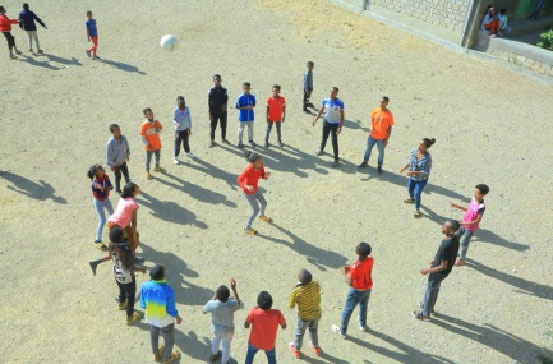
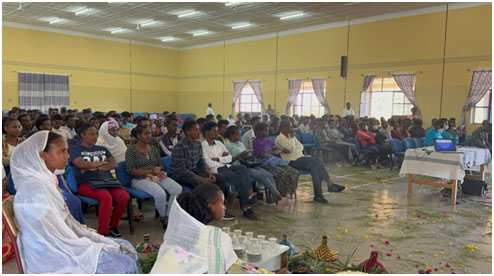
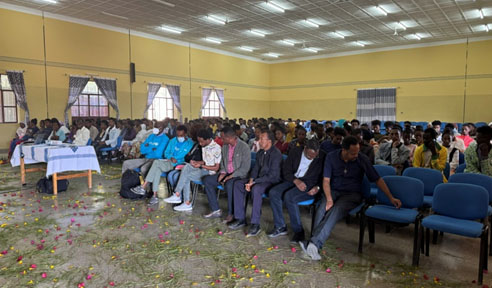
ADCS's recognition of gender disparity as a significant barrier to poverty reduction and sustainable peace and justice is commendable. By establishing the Women and Youth Empowerment Department, ADCS demonstrates a commitment to addressing this issue and empowering youth, women and girls within the community. The objectives outlined for the division highlight a strategic approach to promoting gender equality and women's empowerment:
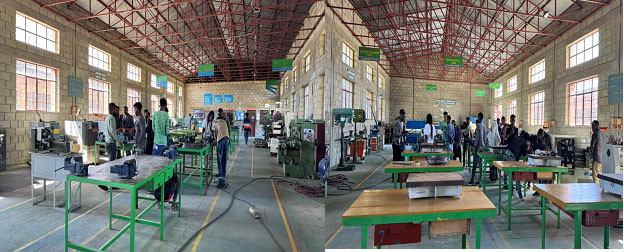
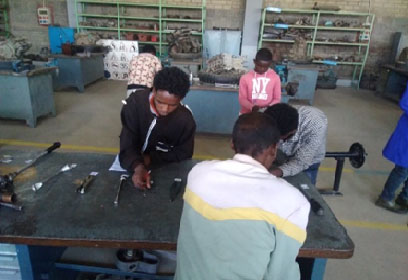
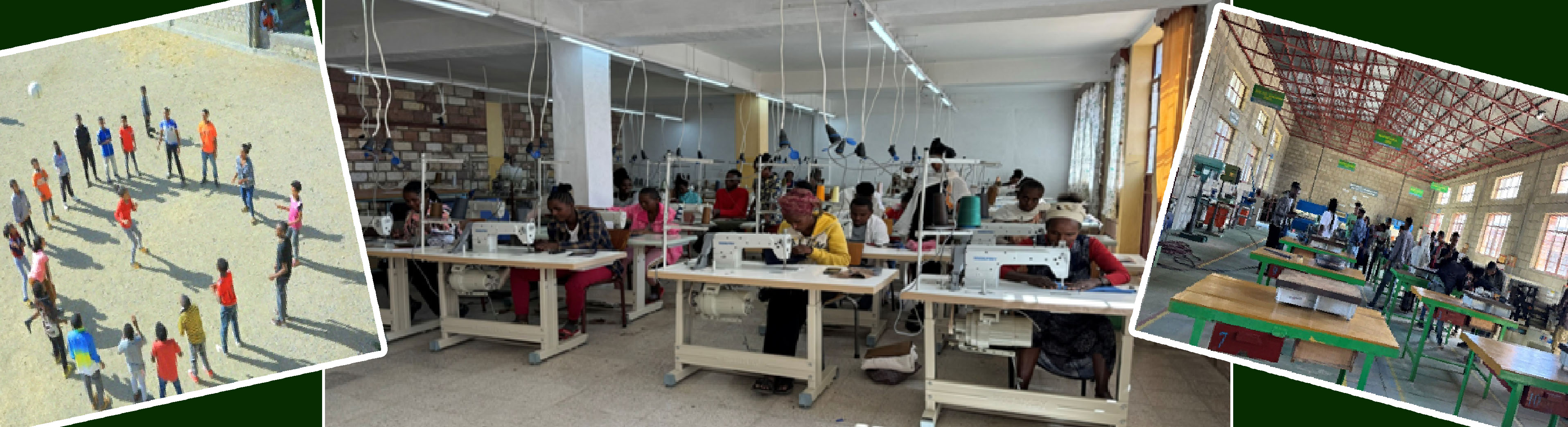
- Skills Development and Income Generation: By focusing on upgrading the technical and managerial skills of youth, women and girls at vocational schools like Salesians of Don Bosco Technical,Vocational and Educational College (TVET) college (since 1975) in Mekelle and Adwa, St. Merry Agricultural TVET College of Wukro and other facilitating sustainable income-generating projects, ADCS aims to enhance the economic independence of women and youth. This approach recognizes the importance of economic and social empowerment in enabling vulnerable youth, women and girls to lift themselves out of poverty.
- Active Participation in Development Programs: ADCS aims to ensure that women and girls actively participate in and benefit from social and development programs. This objective acknowledges the need for gender-responsive and gender-transformative programming that addresses the specific needs and priorities of women and girls within the community.
- Partnerships and Networking: By partnering with Women's Affairs Offices or Associations at different administrative levels, ADCS seeks to strengthen advocacy efforts for women's rights and equal opportunities. Collaboration with relevant stakeholders is crucial for promoting gender equality and advancing women's empowerment effectively.
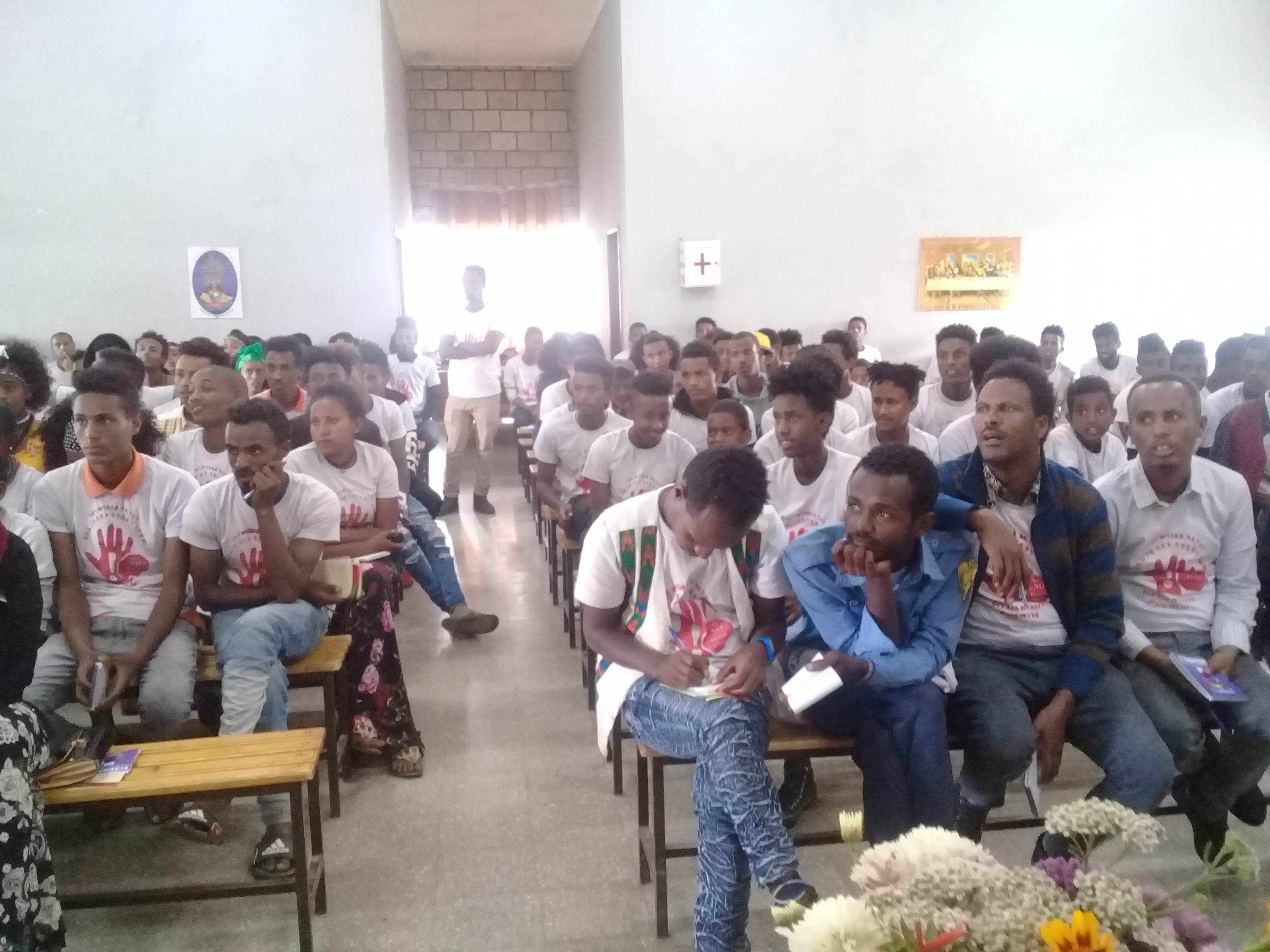
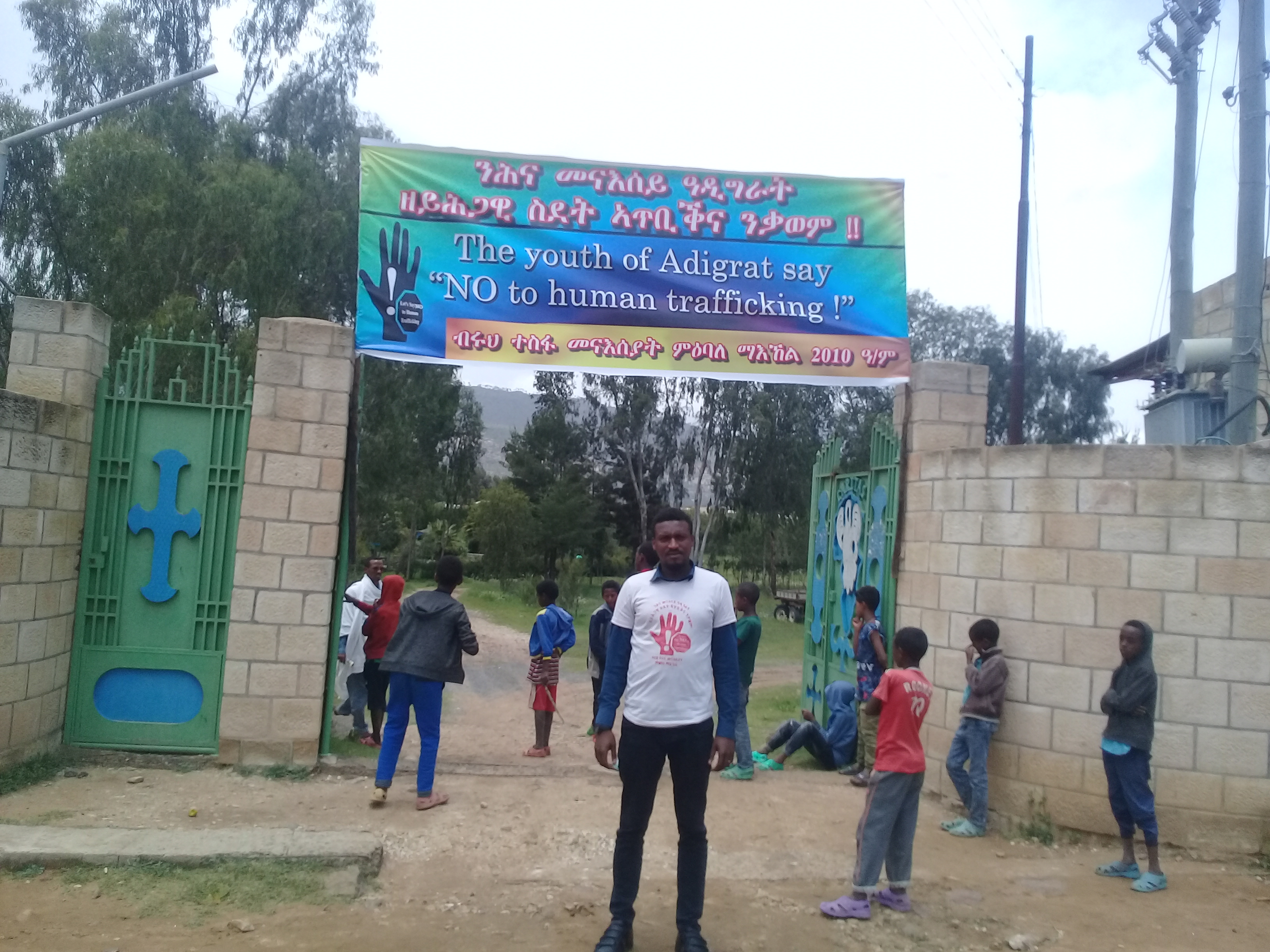
- Preventing distressed undocumented migration: The ADCS operational area is highly vulnerable to distressed migration due to increasing natural and manmade disasters, climate change, crop failure, conflicts; and wars. Many people, especially the vulnerable youth are using different copping strategies including illegal migration as a means of survival. To curb the phenomenon, ADCS with its partners are required to financially and technically support the impoverished families as substantiated: to fight against youth and women migrating illegally, it is critical to provide technical and financial support to vulnerable youth and families to assist them engaged in decent works to meet the basic needs, facilitate loans at no interest or at low interest rate, provide child care support, banned illegal migration agencies, strengthen public awareness on the negative impacts of illegal immigration; and enhance people accessing visa to travel with dignity.
The transformation of women promotion centers from charity-based activities to income generation and socio-economic empowerment initiatives reflects a shift towards promoting self-reliance among women. Providing skill training and start-up loans to marginalized groups, such as poor women-headed families and single mothers, empowers them to improve their livelihoods and break the cycle of poverty.
ADCS's support for needy school children, facilitated by local and international partners, underscores a commitment to holistic development. By assisting families with the costs of living and education, ADCS ensures that vulnerable children have access to educational opportunities, thus empowering them to build a better future for themselves.
Furthermore, the provision of psycho-social support and other social welfare services demonstrates ADCS's holistic approach to addressing the needs of the community. By extending assistance to the destitute, disabled, and aged individuals, ADCS promotes social inclusion and ensures that no one is left behind in the journey towards development.
Overall, ADCS's initiatives in gender mainstreaming, economic empowerment, and social welfare reflect a comprehensive approach to development that prioritizes inclusivity, equity, and sustainability.