Catholic Church and Education in Ethiopia
Richard Pankhurst confidently asserts that Ethiopia's first modern school began operating in October 1908, just after the end of that year's rainy season. This school, managed by the Coptic Church, provided education to approximately one hundred boys from Ethiopia's elite families. The curriculum encompassed French, English, Italian, and Amharic languages, alongside mathematics, science, physical training, and sports. Importantly, both boarding and tuition were offered completely free of charge.
However, sixty-two years prior, in the Irob land, a formal school linked with the Catholic Church was already functioning. Catholicism had been introduced to central Irob in 1845. Upon establishing a presence, St. Justin de Jacobis, an Italian Catholic missionary, founded a school named Lideta-Mariam in Alitena in the same year. Even earlier, in December 1844, a school called the Immaculate Conception had been established in Guol’a near Adigrat, accommodating thirteen students.
In 1848, the school was closed and students moved to Alitena due to the persecution that had been occurring in Guol'a. Though both Gual’a and Lideta-Mariam schools were established in the same Ethiopian year, the Lideta-Mariam School can be considered the first successful modern School in Ethiopian education History.By 1850, the school was legally recognized by Dejat Woubie, the then governor of Tigray.The curriculum included Geez, Amharic, primary science and mathematics. Latin, French, philosophy, and theology were taught in higher levels
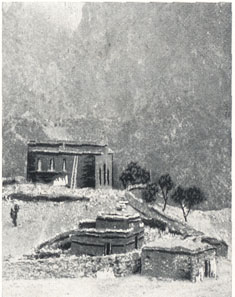
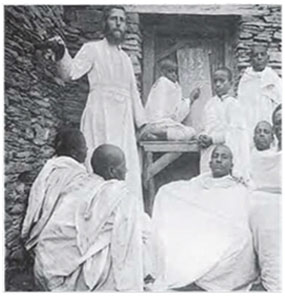
Photo of earliest Church compound, school and students of Lideta Mariam Alitena, Irob
Based on these realities, the Catholic Church known can be said a pioneer of modern Education in Ethiopian history by establishing the first two schools, Lideta-Mariam and Tsinseta-Lemariam.
Current Contribution of ADCS on Education
The Catholic Church has contributed a tremendous effort to the development of educational sector in Ethiopia. More than 430 schools (from kindergarten to college levels) are currently run by the Catholic Church in the country. It was in the Adigrat Eparchy that the Catholic Church started modern education for the first time in the country’s history, and became the first institution to pioneer activities related to Schooling. Currently, ADCS runs 53 education institutions ranging from kindergarten to pre accredited technical & vocational colleges, including 1 Major Seminary/Institute of Philosophy & Theology affiliated to the Pontifical University Urbaniana in Rome.
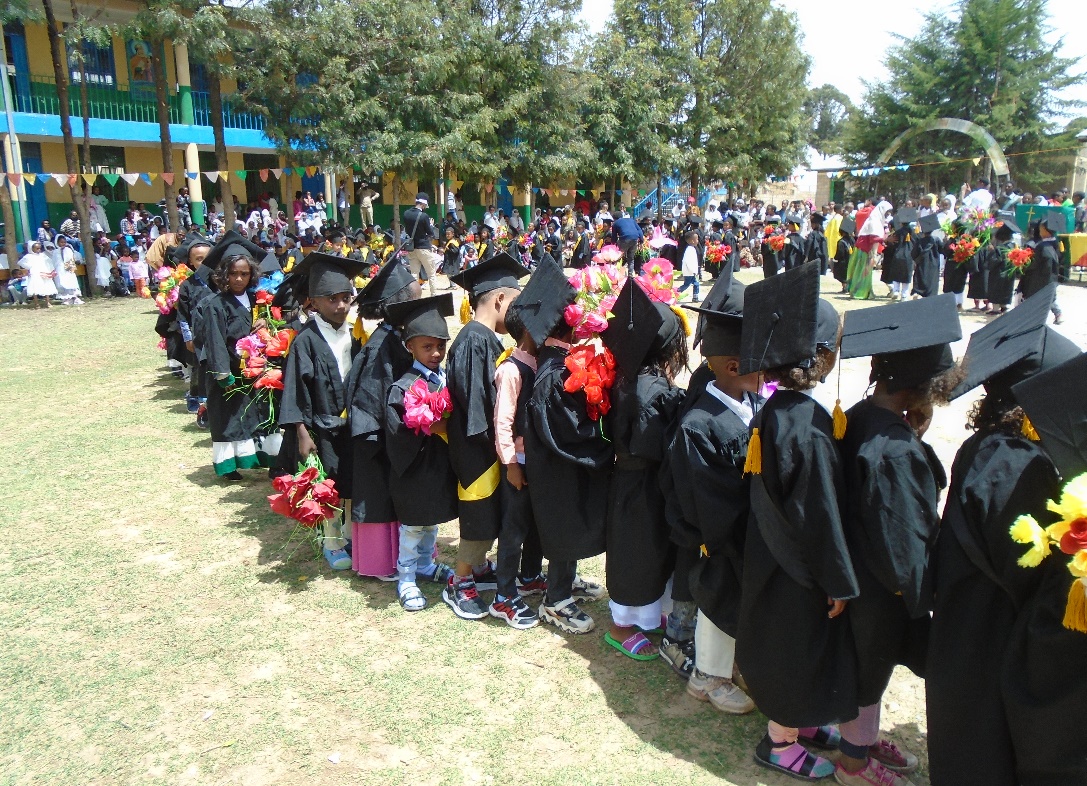 Kindergarten school children during their Graduation day at Edagahamus Catholic School, Tigray Region
More than 16,700 students enrolled every year with 1115 teachers in the Catholic schools run by ADCS. Of the 53 Catholic schools in the Diocese, 25 schools are directly administered by Diocese/ADCS while the rest 28 administered by religious congregations. These figures indicate that the involvement of the church in education program is immense and the contribution region wise is very significant. The church believes that education is a base for development, especially in areas where natural resource-base is heavily degraded and the livelihood options are very limited.
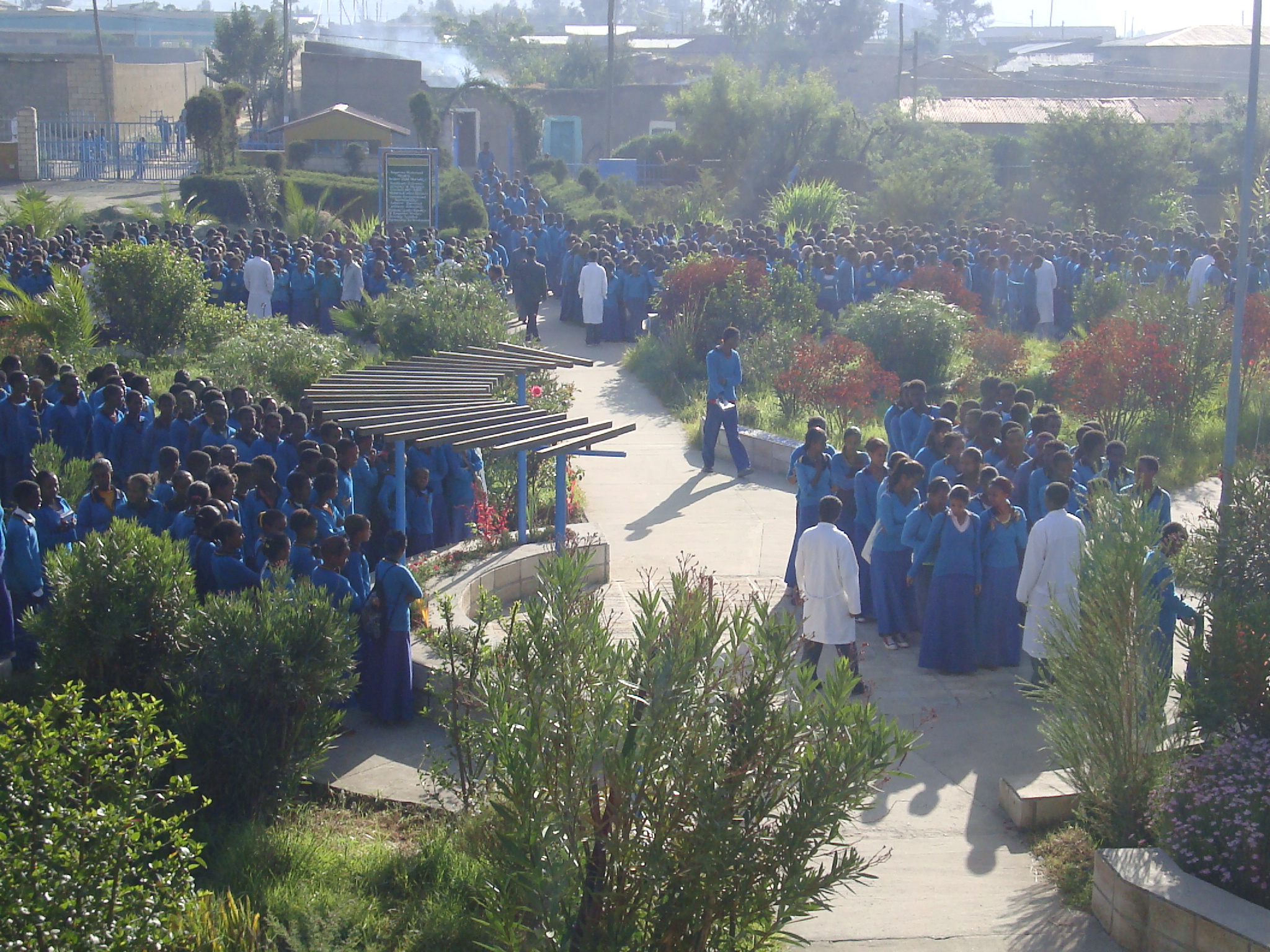
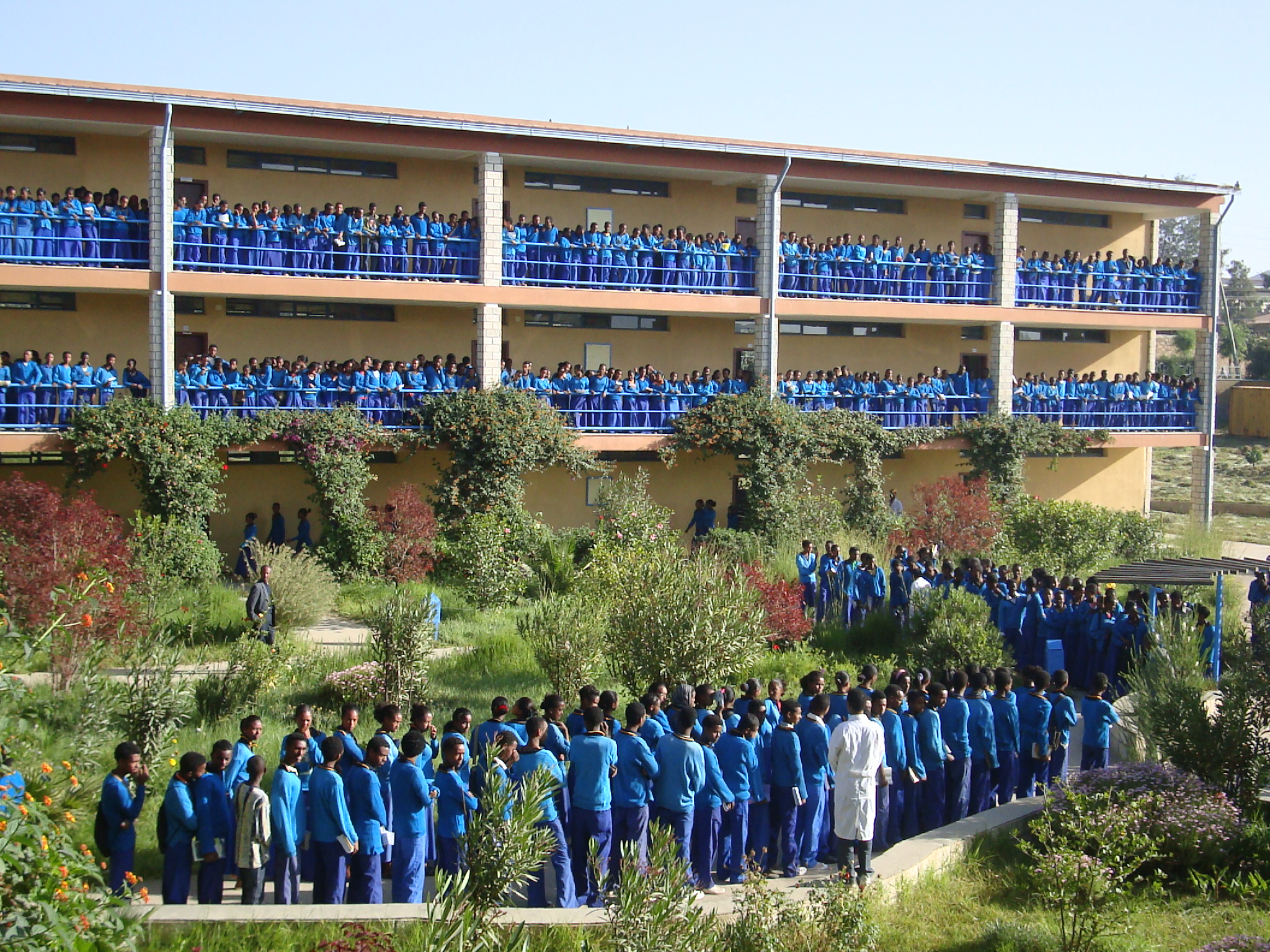
Tsinseta Lemariam Senior Secondary School
The Catholic Church is involved in education because it concerns the future of the community, the Church as well as the future of the young generation. The number of schools run by the Catholic Church is greater than those of any religious institutions in the diocese (Tigray Region). Education program will remain the as major priority for the Catholic Church for the following reasons.
- Education is believed to be the basis for all sorts of development. It is a means to transmit knowledge, skill and attitude that will enable young people to become productive citizens of a society.
- Education is an instrument for community empowerment
- Education concerns the future of the community as well as the Church. The Catholic Schools have also served as a main source of vocations for the priesthood and religious life so that it couldn't be exaggeration to say that most of the priests and religious serving our church to day have come out of these rural schools
- The Catholic schools are the means and part of the Church’s overall social development and pastoral strategy
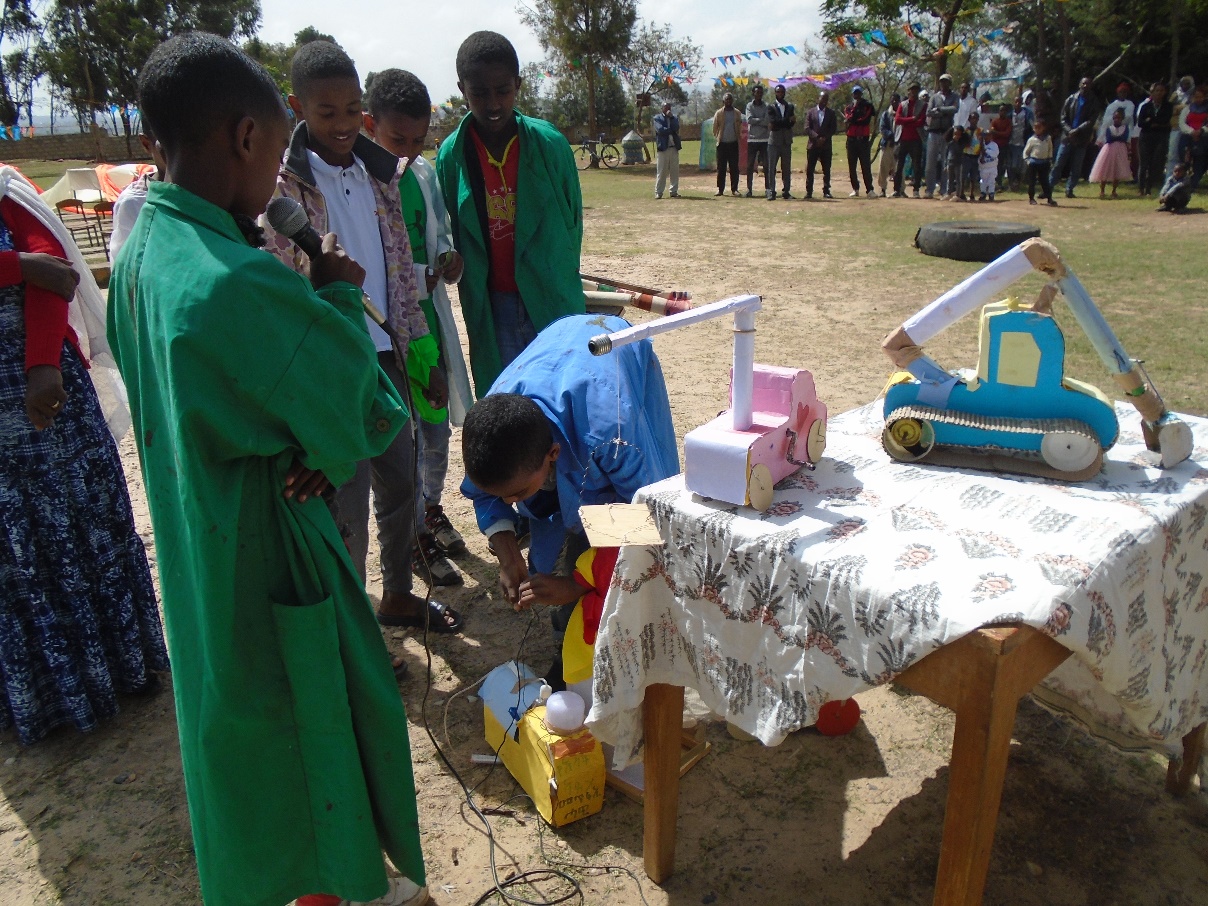
Primary school children demonstrating their talents and innovation during school closing day at Catholic school