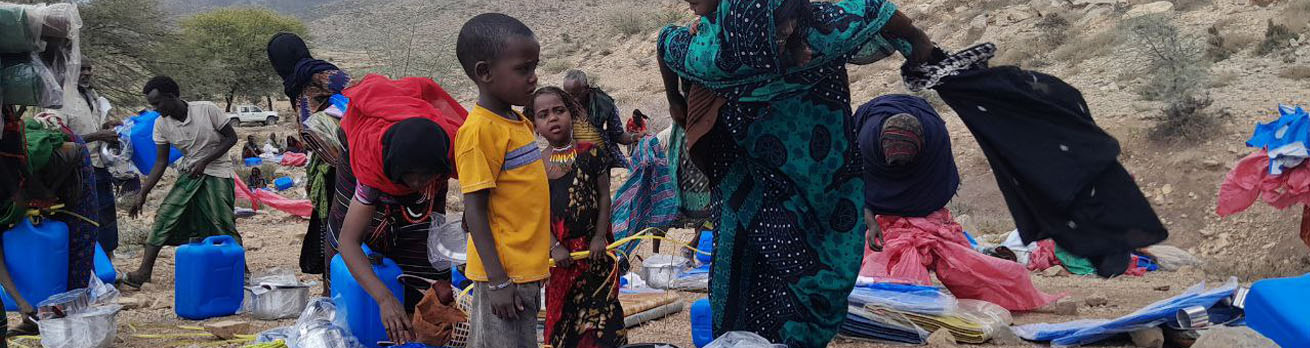
Engagement of ADCS in humanitarian aid programs
The Guiding principles of ADCS humanitarian response emanates from the Holy Scripture which is inspired and informed by the Gospel values. Based on the guiding principles and values of the Catholic Church, therefore, ADCS has engaged in humanitarian response programs because of the fact that in one the hand the Catholic Church`s principles and core values well elaborated in the Catholic social teaching encourages integral human development and on the other hand the operational areas of ADCS are highly vulnerable to different crises: man-made and natural catastrophes are prevalent in the operational areas of ADCS. The man-made and natural catastrophes include drought and flooding - effect of climatic change; animal diseases outbreak, infestation of pests and crop diseases, epidemic and pandemic diseases breakout threatening people, tension and war/conflict, and others. For this reason, our organization engages in providing humanitarian aid and supports to those affected people by crises, regardless of their race, colour, religion, ancestry or national origin, sex, age, marital status, and gender orientation. The commitment to assisting tens of thousands of people displaced by cataclysmic events, be it natural or man-made, demonstrates a profound dedication to humanitarian principles and helping people with dignity. Besides, emergency preparedness and response is rooted within the Church’s principles and core values as crosscutting of the jurisdictions of ADCS and through decades of crises and countless interventions, the organization developed a unique body of expertise in addressing emergency needs of people who are vulnerable to man-made and natural catastrophes. Therefore, ADCS has accumulated diverse expertise over decades of interventions and undoubtedly plays a crucial role in providing effective assistance during emergency time. In turn contributed to the live saving and lessening of human suffering efforts.
ADCS integrates emergency preparedness and response approach to its humanitarian, social and development programs and peace building programs , and thus uses information from regional partners, metrological predictions, UN agencies and NGOs/CSOs working in the operational areas of ADCS, likeminded organizations, and others sources derived from evidence-based analyses and risk assessments focusing on conflict, natural or economic hazards which may affect current ADCS operations or create new humanitarian needs. These all helps ADCS to execute informed decisions on resource allocation and operational readiness. Besides, information generated, collected or assembled from various functions outside ADCS helps us to predict situation in the operational and outsides. Thereby to predict likely occurrence of natural and man-made disasters, and afterwards to prepare contingency plan to enable ADCS to respond to the emergency needs affected populations. Besides, ADCS conducts mapping of existing assets or ground operations opportunities, identifies and communicates strategic and potential partners for joint work and responses.
In recent years, ADCS is addressing emergency needs of war affected people including IDPs as well as those people vulnerable to natural disasters, epidemics, and pandemics. As a result, the organization is supporting hundreds of thousands of people – men and women, unaccompanied children, GBV survivors and other vulnerable groups through diverse emergency response and livelihoods or/and institutional rehabilitation /recovery programs. Some of the emergency programs interventions are presented below.
1. The ADCS Education in Emergency programs
School feeding
Every day, thousands of children around the Diocese go to school on an empty stomach – hunger affects their concentration and ability to learn. There are also ten of thousands of children – particularly girls – who simply do not go to school because their families need them to help in the fields or perform domestic duties. In conflict-affected countries, children are twice as likely to be out of school as their peers in stable countries – 2.5 times more likely in the case of girls.
School feeding programs play a crucial role in addressing various challenges faced by children, especially in the Diocese. By providing meals to students, these programs not only alleviate hunger but also enhance their concentration and ability to learn. Additionally, they serve as an incentive for families to send their children to school, thereby increasing enrolment rates and promoting education, particularly among girls.
Moreover, school meal programs contribute to broader community development by bolstering local economies through sourcing from smallholder farmers. This approach, known as Home-Grown School Feeding, not only supports local agriculture but also fosters sustainable food systems that are sensitive to gender and climate considerations. Furthermore, by alleviating financial burdens on families, these programs help prevent early marriages and pregnancies among girls, empowering them to pursue their education.
In essence, school feeding programs are instrumental in building human capital by improving children's health, education, and overall well-being. They serve as a multi-sectorial solution that not only addresses immediate needs but also contributes to long-term development goals, making them a vital component of efforts to improve livelihoods and alleviate poverty in the Diocese and beyond.
School rehabilitation and Scholastic materials support
Education remains a priority of ADCS in humanitarian preparedness, response, and recovery for internally displaced people, returnees, and host communities.
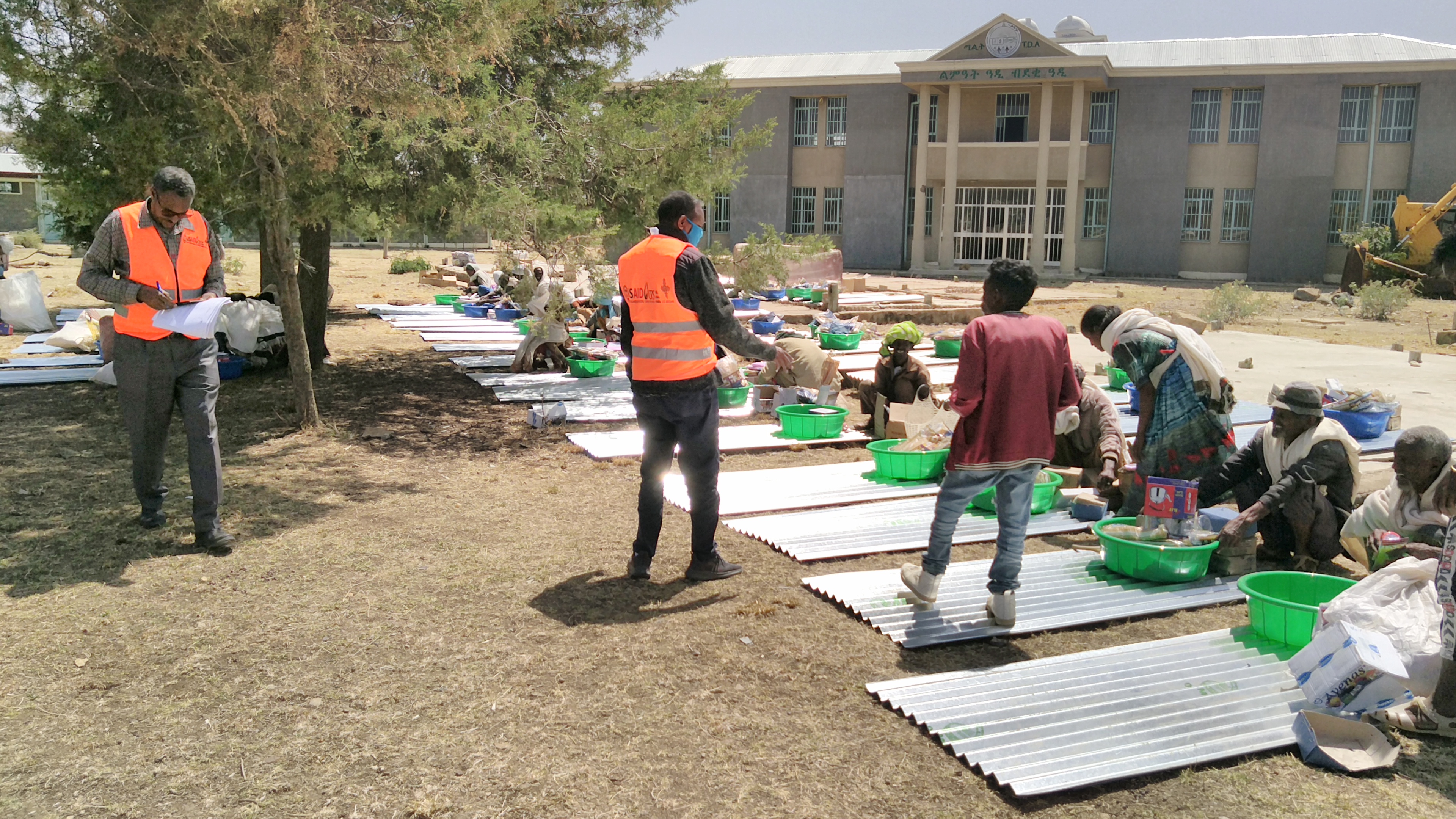
ADCS modalities support in its areas of jurisdiction contributes to the accelerated and remedial learning; access to informal and non-formal education; crisis-sensitive sector planning; data coordination and standardization within and between the humanitarian-development sector mental health and psychosocial support; prevention of school violence; war damaged school rehabilitation, supply of scholastic materials to crises affected students, teachers and schools.
2. Food assistance: cash and in-kind
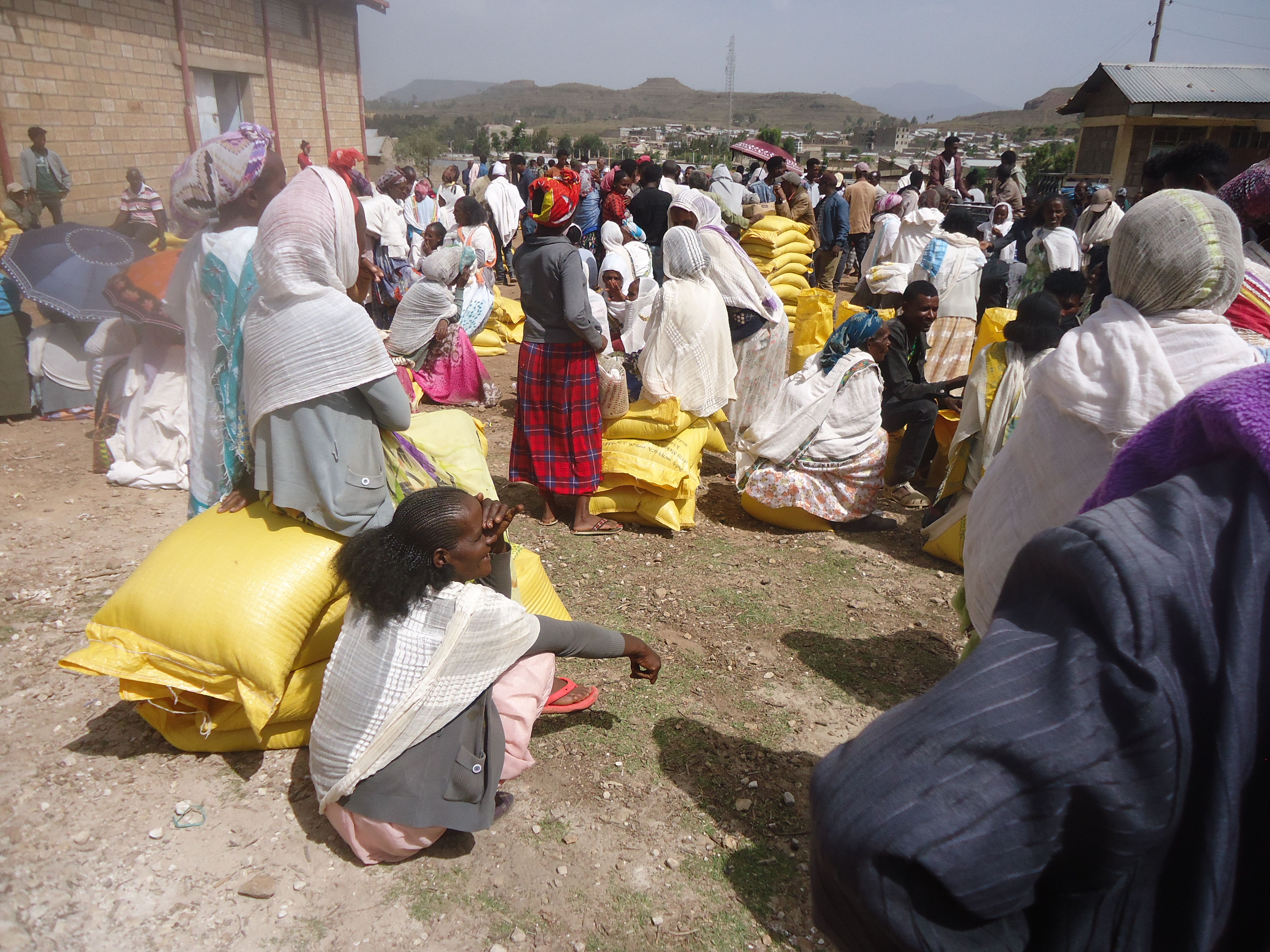
Cash and in-kind food assistance projects and programs served as a life-saving bridge during the humanitarian crises and protect the livelihoods of affected people in the Diocese.
Majority of these interventions/projects have provided multipurpose cash (MPC) to directly spend to meet their essential needs, cash-for-work opportunities for the most vulnerable to mitigate the effects of elevated food prices and recurrent drought. Cash-for-work interventions were used to undertake activities which focus creation of communal assets on soil and water conservation (check-dams, terraces), road construction and maintenance, construction of ponds for livestock water supply, construction of micro-dams, irrigation structures (reservoirs, canals).
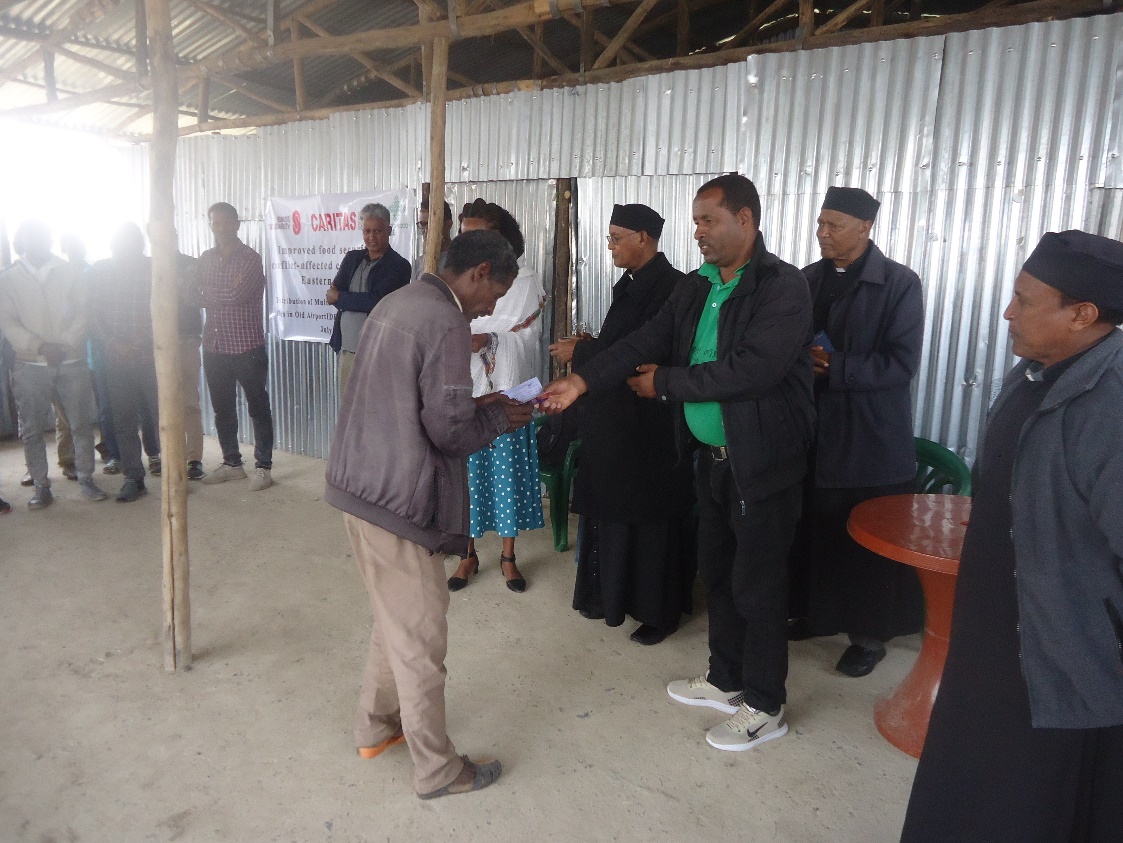
Lifesaving multipurpose cash distribution for most vulnerable internally displaced people at Adigrat IDP camp
Though not a primary objective of the emergency projects, numerous kilometres of rural access roads rehabilitated and constructed. In order to improve re-vegetation of the environment, decrease erosion and improve moisture retention and ultimately contribute to agricultural productivity and future disaster prevention and food security, different types of terraces, bunds and other conservation measures were carried out.
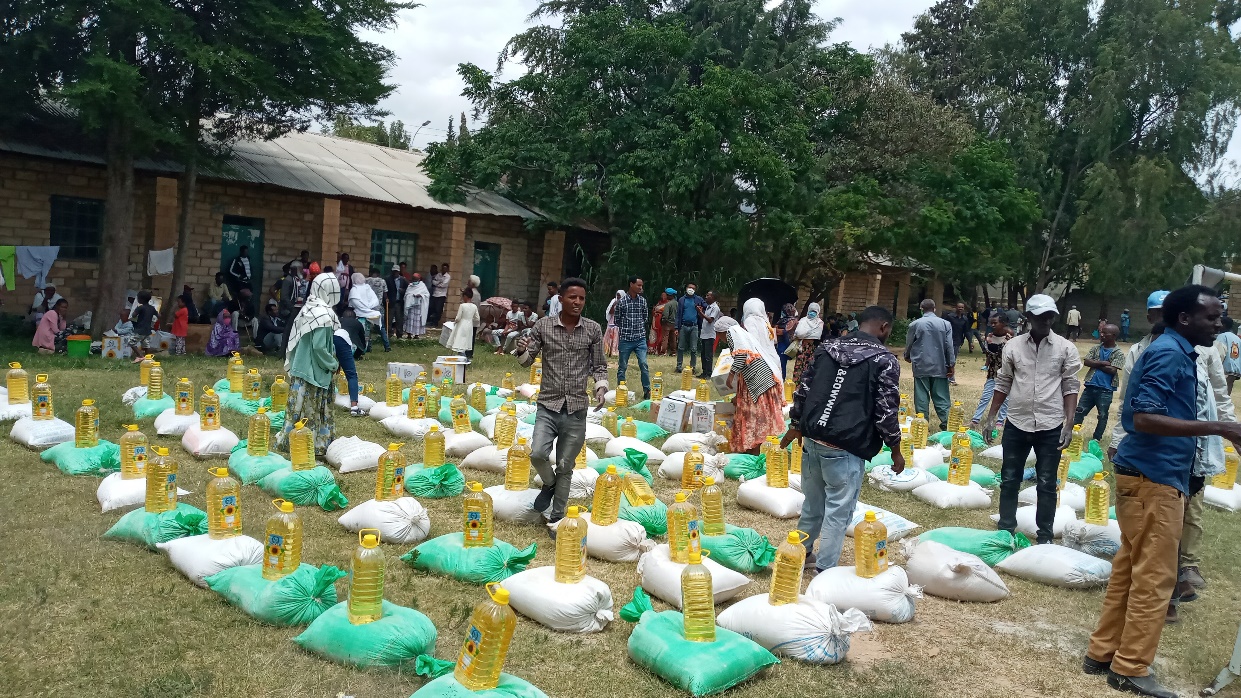
Food distribution for crises affected communities
Through the Food Assistance for Assets program, beneficiaries receive food assistance while building or rehabilitating assets such as forests, water ponds, irrigation systems, and feeder roads that will strengthen their resilience and food security in the long term.
3. Livelihood/Agriculture Recovery
This sector can be characterized as a process for which the main aim is to re-establish components of farming systems damaged by conflict, and other natural or man-made disasters. This includes the planning, implementation and monitoring of interventions in bio-physical aspects (seeds fairs, restocking of livestock, animal husbandry, farming practices, farming tools and equipment) as well as in the socio-economics aspects: provision of tools, seed-capital for non-farm/off-farm activities marketing of agriculture production, and gender issues.