Clean Potable Water is Crucial for human health and economic prosperity
ADCS is working to radically improve inclusive access of safe water, sanitation and hygiene facilities throughout the Diocese prone scarcity of potable water. Addressing the root causes of issues like scarcity and dirty water is essential for sustainable change. Building resilience within communities is key to ensuring they can thrive despite challenges. We work with people in the hardest circumstances, so they can overcome their daily struggles, and the structures of injustice that make and keep them poor.
Our local and international partners helps us to work with communities to meet their most pressing needs today but build their resilience so they can provide for themselves and their families into the future.
Community water Supply
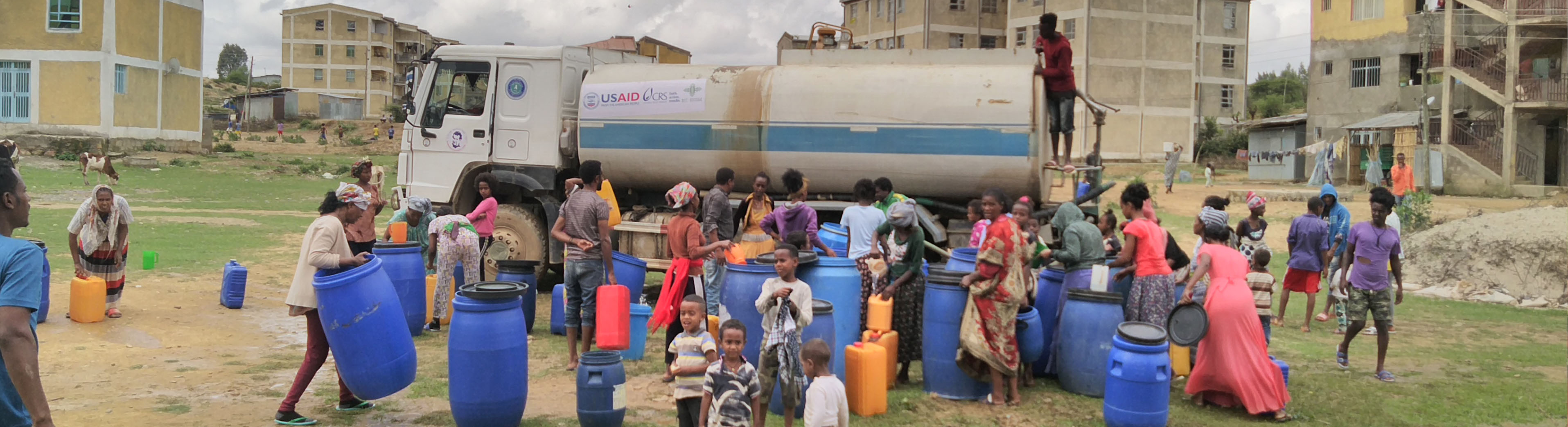
ADCS builds and repairs community water schemes such as pipelines, shallow/hand-dug wells and reservoirs, so it’s easy to collect clean water for domestic consumption. This means people, and especially women, don’t have to walk miles to collect water, which saves up more time for themselves and their families.
Water supply is the provision of water by public utilities to affected communities or individuals. In order to sustain human life healthily, a water supply should be safe, adequate and accessible to all. Safe water supply means the supply of water is free from any form of disease-causing agents. The main criteria are:
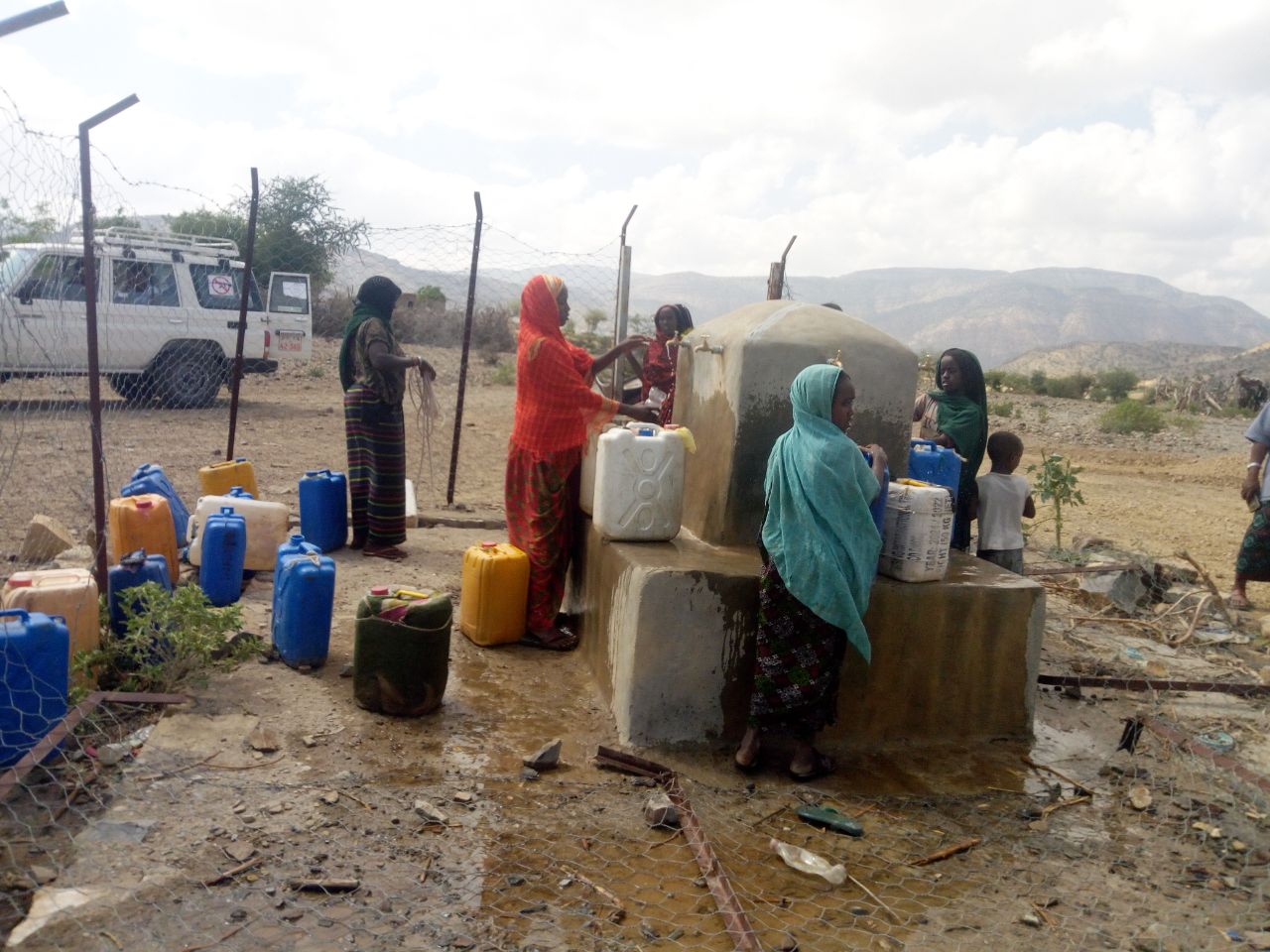
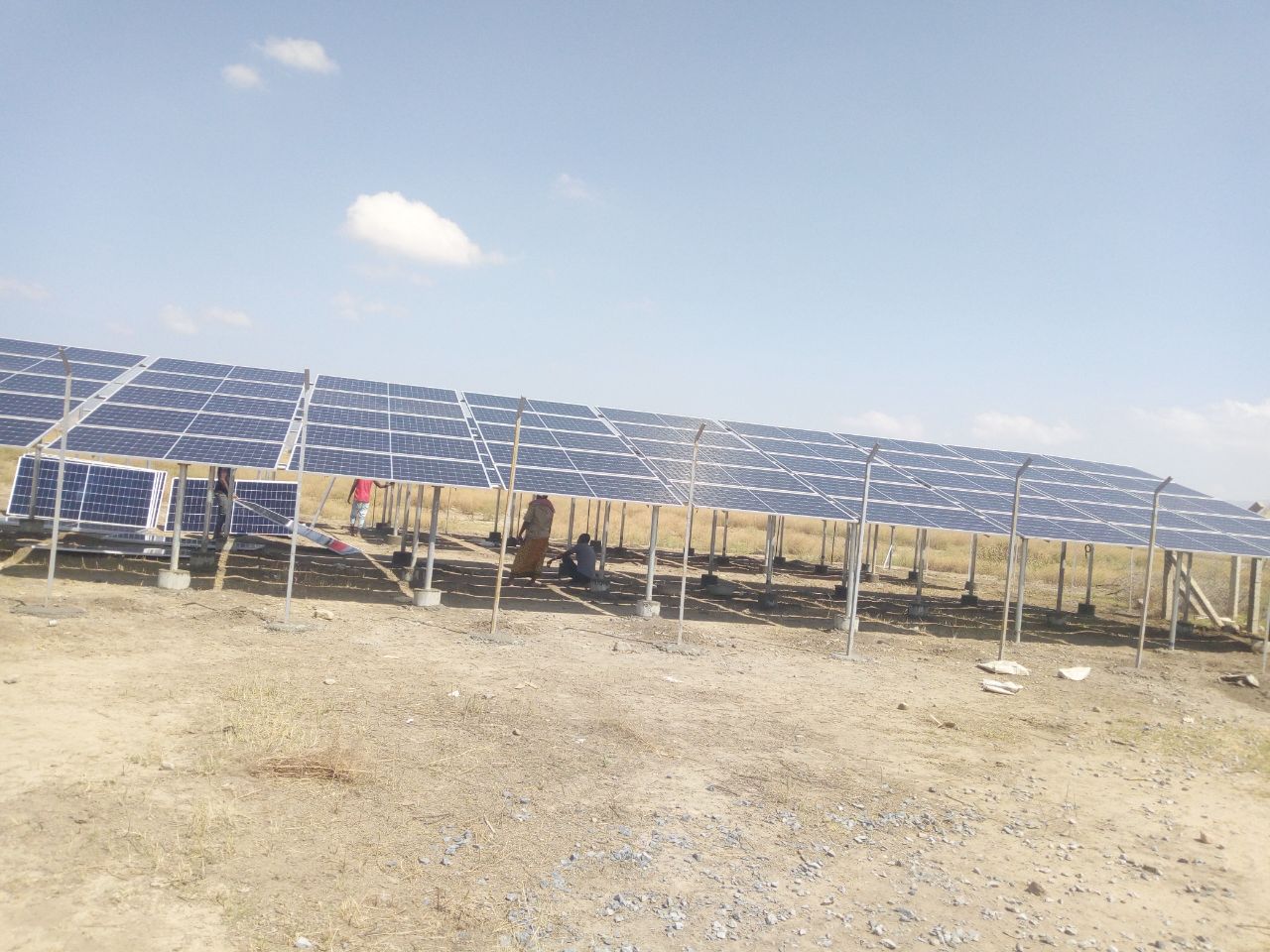
Improved access to safe potable water to vulnerable communities through solar power lifted water scheme at Zone-2 of Afar Region
- Biological aspects: the water quality tested to ensure free from disease-causing microbes and parasites.
- Chemical aspects: the water supply quality test is always done to assure it is free from dissolved chemicals at the level that would damage health.
- Radiological aspects: the water supply should be free from any naturally occurring radioactive substances. In addition to being safe, the water must also be acceptable to consumers by being odourless, colourless and without objectionable taste. An adequate water supply fulfils the minimum amount of supply per person per day. The World Health Organization defines this amount as 20 litres of water per person per day. (Note that ‘per person’ is sometimes written as ‘per head’ or ‘per capita’ – they all mean the same.)
- Accessible water supply is within safe physical reach from the home or institution, usually within 1 km radius or a 30-minute round trip.
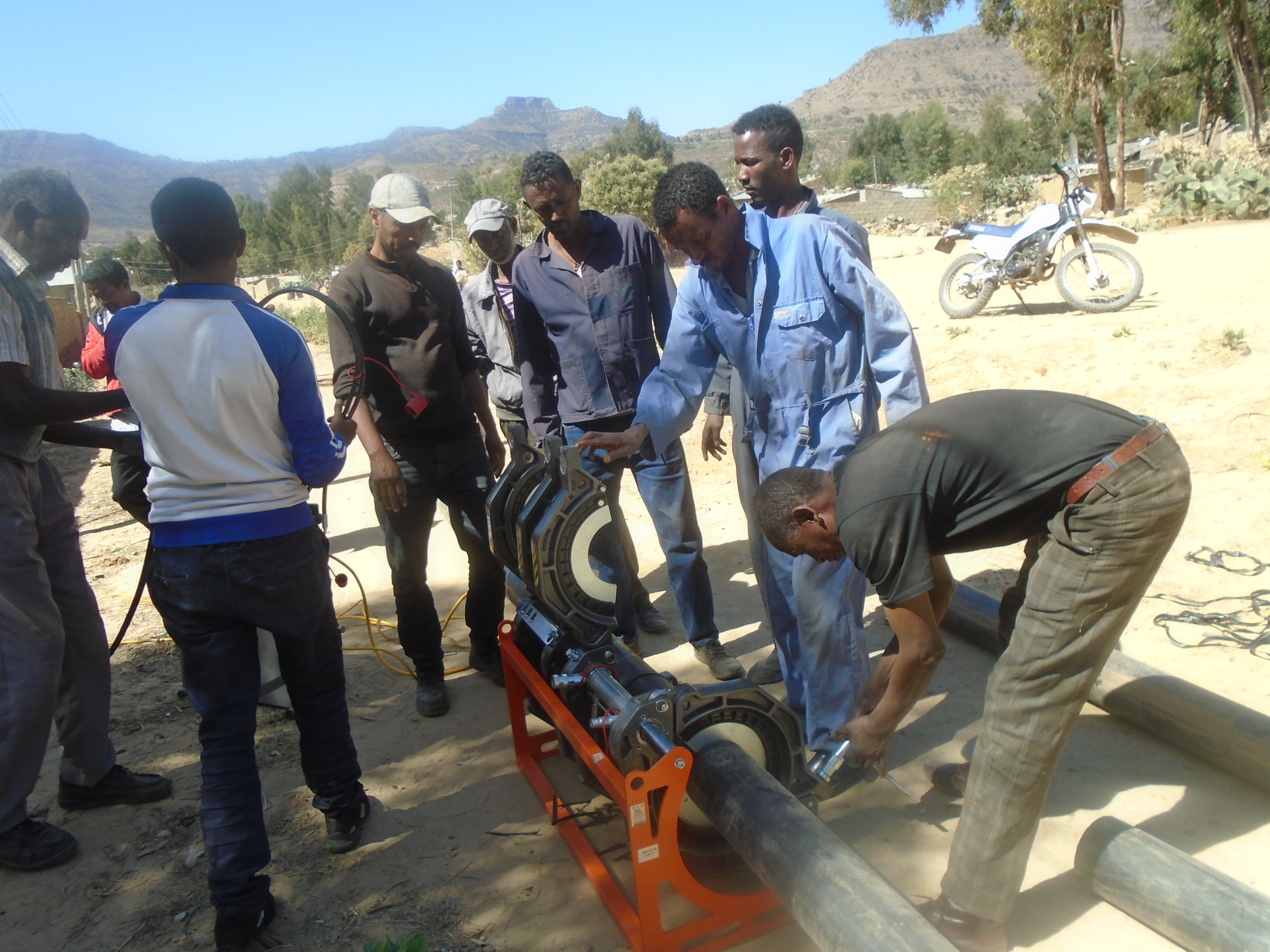
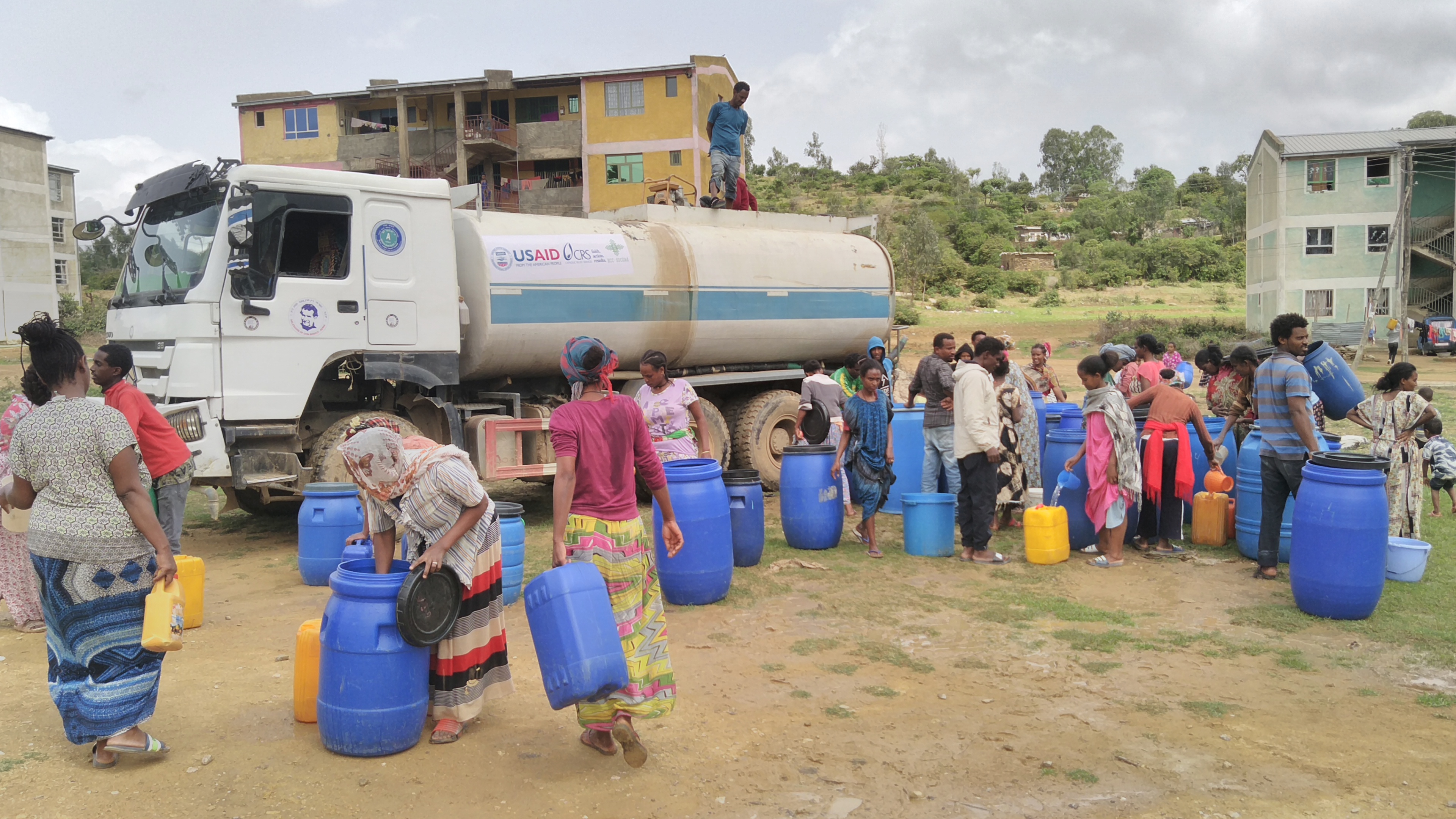
Water lines installation to improve accessible water supply at communities’ aftermath of the conflict crises at Adigrat city
Improved Sanitation and Hygiene facilities
We stop people getting sick because of dirty water by installing hand-washing facilities, proper toilets, and by providing water filters. This prevents diseases spreading, which keeps people alive, families together and children healthy.
Sanitation generally refers to the prevention of human contact with wastes, but is also used to mean the provision of facilities and services for the safe disposal of solid and liquid wastes. Sanitation can be further classified as basic or improved sanitation.
Hygiene: the word hygiene originates from the name of the Greek goddess of health, Hygieia. It is commonly defined as a set of practices performed for the preservation of health and healthy living. Hand-washing with soap is the most important element, but it also includes personal cleanliness of the face, hair, body, feet, clothing, and for women and girls, menstrual hygiene.
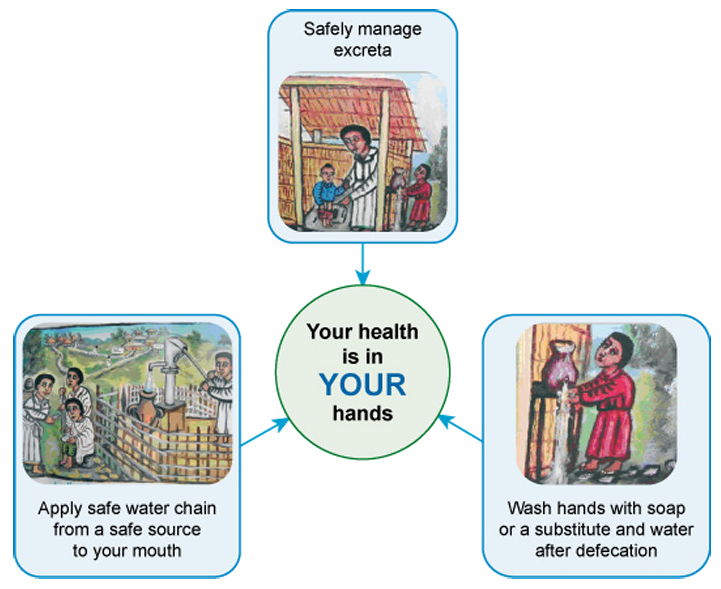
Our Hygiene and Sanitation Strategy